
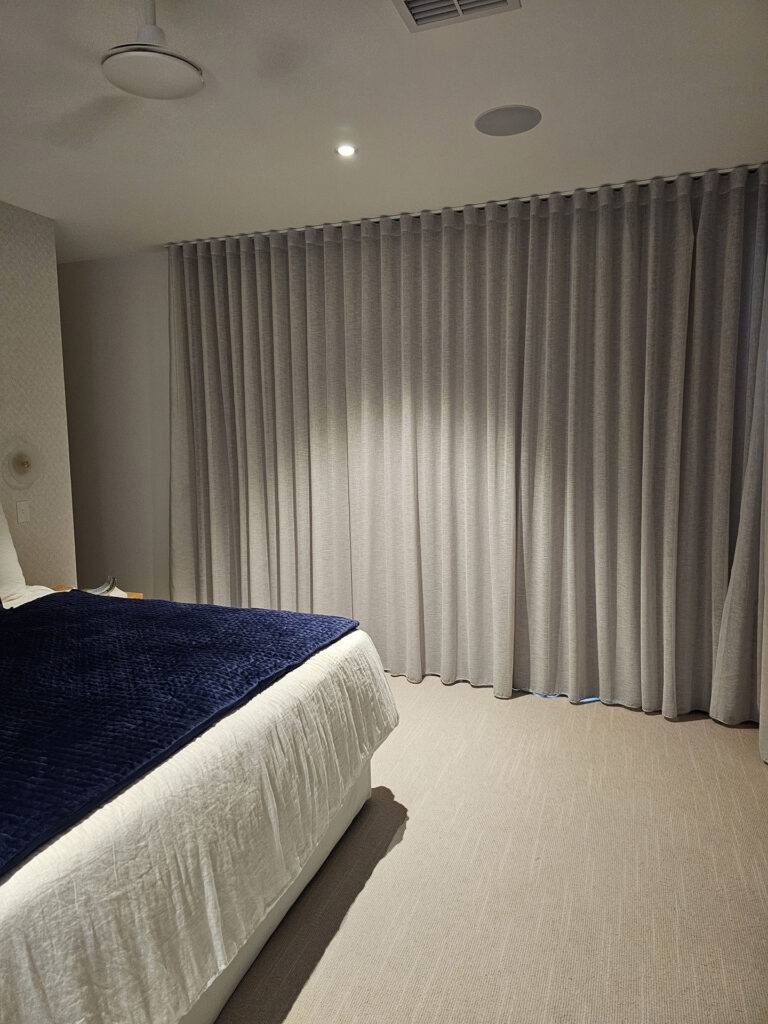
It only takes a moment. A glass of red knocked at a dinner party, a child’s juice cup flung at the window, a splash of coffee as someone reaches past the curtain on the way out the door. Food and drink stains on curtains are dramatic, dark and alarming — and the way you react in the first few minutes often decides whether the stain comes out at all.
This guide covers what actually works on red wine, coffee, tea and food stains on curtains, and the common mistakes that set them permanently.
Why Food and Drink Stains Are So Stubborn
Red wine, coffee, tea, fruit juice and many sauces contain tannins and natural dyes — the same compounds used to colour fabric deliberately. That is why they grab onto curtain fibres so fast and so firmly. The longer they sit, the more they oxidise and bond, turning a removable fresh stain into a set, brownish permanent mark.
Different stains also need different chemistry: a tannin stain like wine or coffee behaves differently from a greasy food stain or a protein stain like dairy or egg. Treating them all the same way is why so many home attempts fail.
The First Few Minutes: Fresh Stain First Aid
What you do immediately matters enormously. Done right, first aid stops the stain spreading and keeps it removable; done wrong, it sets the stain for good.
- Blot gently with a clean, dry cloth — never rub, which spreads the stain and damages the weave.
- Work from the outside of the stain inward to stop it growing.
- Avoid hot water — heat sets tannin and protein stains permanently.
- Don’t reach for coloured cloths or household stain sprays that can bleach the curtain.
The Home Remedies That Make Things Worse
The internet is full of stain ‘hacks’, and many of them ruin curtains. A few are worth warning against specifically.
- Salt and boiling water can set wine and shrink or damage the fabric.
- Scrubbing with a brush frays the weave and pushes the stain deeper.
- Bleach or oxygen sprays on coloured curtains can leave a worse pale blotch.
- Tumble drying after a partial clean bakes the remaining stain in permanently.
How Carpetmaster Removes Wine, Coffee and Food Stains
Professional stain removal starts with identifying the stain type and the fabric, because the correct solution for a tannin stain is not the same as for a greasy or protein one. We pre-treat the mark with the appropriate agent to break the bond between the stain and the fibre, then clean so the treated area blends seamlessly with the rest of the panel.
Controlled treatment also protects the surrounding fabric and colour — the opposite of the aggressive scrubbing and bleaching that home methods rely on. Even set-in stains often lift substantially with the right chemistry and patience.
Setting Realistic Expectations on Old Stains
We are always honest about what is recoverable. A fresh stain treated promptly has an excellent chance of complete removal. An old, oxidised wine or coffee stain that has been through a hot wash and dryer may have permanently dyed the fibre, in which case we aim for major improvement rather than a guaranteed miracle. The sooner a stain is treated professionally, the better the result — so it is always worth calling rather than living with it.
Protecting Curtains in Entertaining Areas
Curtains in dining and living areas will always be at some risk, but you can tilt the odds in your favour.
- Deal with spills immediately — blot, keep it cool, and avoid rubbing.
- Keep drinks and food a sensible distance from full-length curtains.
- Note the stain type so it can be matched to the right treatment.
- Book a professional clean promptly rather than letting a stain oxidise.
Which Food and Drink Stains Are the Hardest?
Not all spills are equal. Knowing which are the most stubborn helps explain why prompt, professional treatment matters so much.
- Red wine — rich in natural dye and tannin, it sets fast and dyes the fibre.
- Coffee and tea — tannin stains that brown and oxidise as they age.
- Fruit juice and berries — strong natural colourants that bond quickly.
- Turmeric, curry and tomato-based sauces — intense pigments that can stain almost permanently.
Why You Should Never Wait to Treat a Stain
The single biggest factor in whether a food or drink stain comes out is time. A fresh stain sits on and just within the fibre, where the right treatment can lift it cleanly. Left for days or weeks, the same stain oxidises, bonds chemically with the fibre and effectively becomes part of the curtain’s colour.
Heat accelerates this dramatically, which is why a curtain that has been spilled on and then washed hot or tumble dried is the hardest case of all. If you cannot arrange a professional clean immediately, gentle cool-water blotting to keep the stain moist and un-set buys valuable time.
Why the Same Stain Behaves Differently on Different Curtains
A splash of red wine that wipes cleanly off one curtain can ruin another, because the fabric matters as much as the stain. Absorbent natural fibres like linen and cotton soak up a spill quickly and hold it deep, while some synthetics resist it long enough to be blotted away. Loose weaves wick a stain outward; tight weaves contain it.
This is why there is no single ‘wine stain trick’ that works everywhere, and why professional treatment begins by identifying both the stain and the fabric. The correct approach for a tannin stain on linen is not the approach for the same stain on a coated synthetic.
Children, Celebrations and Curtains in the Firing Line
Family homes generate more than their share of curtain stains — juice cups, sticky hands, party food and the occasional knocked drink all find their way onto nearby fabric. Living and dining-room curtains, often the nicest in the house, are frequently the ones in the firing line.
Rather than living with a constellation of small marks, many families find it worthwhile to have these curtains professionally cleaned periodically, with individual stains pre-treated as part of the job. It restores the whole panel evenly, rather than leaving the patchwork of half-successful home spot-cleaning attempts that often makes curtains look worse.
Book Your Professional Curtain Clean
With food and drink stains, speed and the right chemistry make all the difference. For the best chance of fully removing wine, coffee and food stains from your curtains, call the stain-removal specialists at carpetmaster.com.au. With more than 20 years of specialist fabric-care experience, every job starts with a fabric assessment, and your curtains are gently hand washed right where they hang — cleaned in your home without being taken down.