
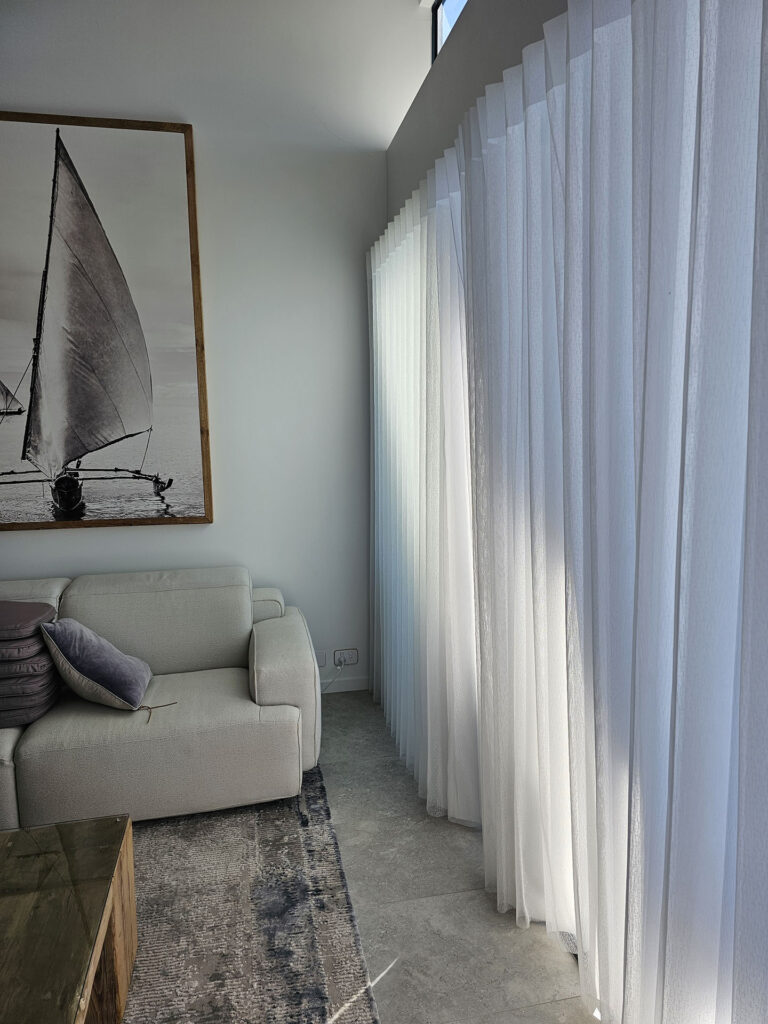
Polyester and other synthetic curtains are the most common window treatments in Australian homes, and for good reason. They are affordable, durable, fade-resistant and far more tolerant than natural fibres. That reputation for toughness, though, leads a lot of people to clean them carelessly — and synthetics have their own quirks that still cause shrinkage, melting and permanent creasing.
This guide covers how to get polyester, nylon and acrylic curtains genuinely clean while avoiding the mistakes that ruin them.
Why Synthetic Curtains Are Popular but Not Indestructible
Polyester, nylon, acrylic and their blends are man-made fibres engineered to resist fading and wear. They hold colour well, dry quickly and shrug off light better than cotton or linen. But they are also thermoplastic, which means heat softens and reshapes them — the single biggest risk people overlook.
Synthetics also attract oily soil. Because the fibres are slightly oil-loving, airborne cooking grease and body oils cling to them and build a dull film, which is why a ‘durable’ polyester curtain can still look grimy and grey over time.
The Heat Mistake That Ruins Synthetic Curtains
The number one way people destroy polyester curtains is heat. A hot wash, a hot iron or a tumble dryer can do irreversible damage in minutes.
- Hot water shrinks and puckers many polyester blends.
- Tumble drying can melt, glaze or permanently crease synthetic fibres.
- A hot iron will scorch or melt a shiny patch into the fabric instantly.
- High heat sets greasy stains so they can no longer be removed.
The Professional Approach to Synthetic Curtains
Synthetics are versatile, which means the right method depends on the specific blend and construction. At Carpetmaster we assess the fabric, then tailor our gentle hand-wash process to suit it — always carried out in your home with the curtains left hanging on the rail, never sent away.
Because synthetics hold oily soil, we use solutions designed to break that greasy film without high heat. The curtains are gently hand cleaned and left hanging to dry into their natural folds, avoiding the shrinkage and creasing a home machine so often causes.
Common Stains on Polyester Curtains
Synthetic curtains turn up everywhere in the home, so they collect a wide range of marks. The good news is that, treated correctly and without heat, polyester releases most soil well.
- Greasy kitchen film on curtains near cooking areas — cut with a degreasing pre-treatment.
- Dust and grey build-up across the whole panel — lifted with an even clean.
- Mould spotting in bathrooms and humid rooms — killed with an anti-microbial.
- Hand and pet marks at the leading edge and hem — pre-treated and flushed out.
Why Synthetics Still Need Professional Cleaning
It is tempting to assume a tough fabric does not need a specialist, but that greasy film and trapped dust are exactly what a domestic wash struggles with — and what a hot wash bakes in. Professional cleaning removes the soil that dulls the colour, treats mould properly, and avoids the heat damage that quietly shortens the life of synthetic curtains.
There is also the practical side: large floor-to-ceiling synthetic panels are heavy and awkward to handle wet, and our in-home cleaning means they never have to come down and risk being stretched or creased — which is exactly what sets Carpetmaster apart from cleaners who make you take the curtains down or send them away.
Caring for Synthetic Curtains Between Cleans
A simple routine keeps polyester and synthetic curtains looking new for years.
- Vacuum monthly on low suction to stop dust building into a film.
- Air kitchen and bathroom curtains regularly to limit grease and mould.
- Never tumble dry or hot-iron synthetic curtains.
- Book a professional clean every 12 to 18 months, more often near a kitchen.
Why Synthetics Suit a Gentle Hand Wash
Synthetic curtains are generally more tolerant than natural fibres, but heat still shrinks and glazes them, which is why Carpetmaster does not steam clean or hot machine wash them. Our gentle, low-moisture hand-wash process keeps the temperature down, suits coated, lined and decorative finishes alike, and is carried out in your home with the curtains left hanging.
Because polyester holds oily soil so stubbornly, the degreasing pre-treatment usually matters more than anything else. Lift the grease first with the right solution, then gently hand clean the panel, and the colour comes back without ever exposing the fabric to damaging heat.
Signs It Is Time to Clean Synthetic Curtains
Synthetic curtains are so durable that they are easy to ignore, but they still tell you when they need attention.
- A dull, greyish cast where colour used to be bright.
- A faintly greasy or sticky feel near the kitchen or leading edge.
- A musty smell in bathrooms or other humid rooms.
- Visible dust release when the curtain is shaken or drawn.
Why Synthetic Curtains Are the Most Misunderstood
Synthetic curtains suffer from a reputation problem: because they are cheap and tough, people assume they are disposable and clean them roughly or not at all. In reality, a good polyester or acrylic curtain can look excellent for many years — it just needs cleaning that respects its one real weakness, which is heat.
The other misunderstanding is that ‘durable’ means ‘self-cleaning’. It does not. Synthetics quietly accumulate an oily, dust-binding film that no amount of shaking removes, and only a proper clean restores the original colour. Treated well, synthetics are genuinely good value rather than throwaway.
Matching the Method to the Specific Synthetic
‘Synthetic’ covers a wide family of fibres — polyester, nylon, acrylic, polypropylene and countless blends — and they do not all behave the same way. Some tolerate gentle warm cleaning; others glaze or shrink at surprisingly low temperatures. Coated, flocked or printed synthetics add further considerations.
This is why we assess the actual curtain rather than assuming all synthetics are interchangeable. The right method for a plain polyester sheer is not the right method for a heavy printed blackout, even though both are technically ‘synthetic’. Getting that distinction right is what protects the fabric.
Book Your Professional Curtain Clean
Synthetic curtains are tougher than most fabrics, but heat and greasy film still take their toll. For a no-heat, degreasing clean that keeps your polyester curtains bright and crease-free, get in touch with carpetmaster.com.au. With more than 20 years of specialist fabric-care experience, every job starts with a fabric assessment, and your curtains are gently hand washed right where they hang — cleaned in your home without being taken down.