
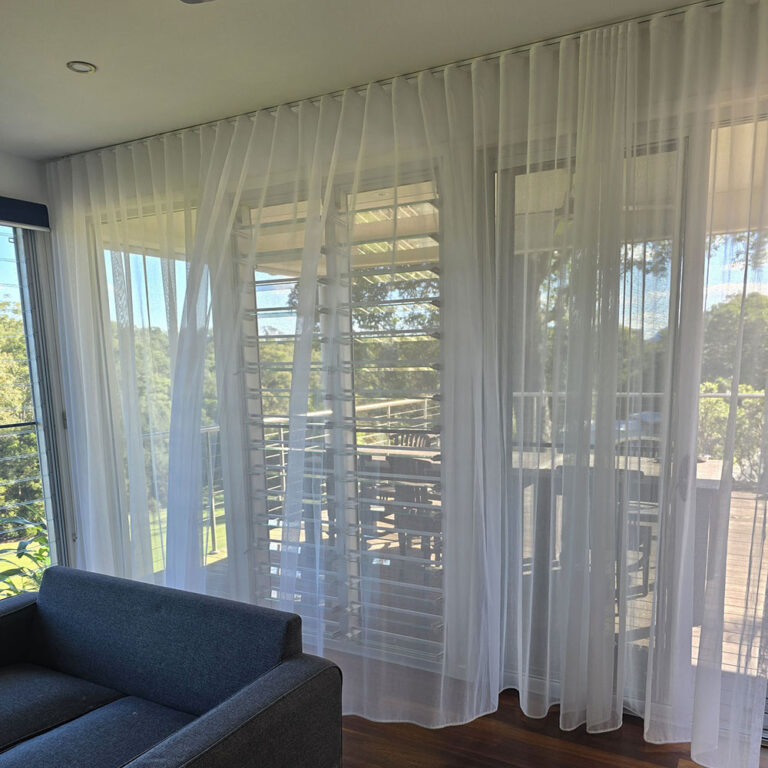
If you’ve never had your curtains professionally cleaned before, you might be wondering what the process actually involves. Is someone going to take all your curtains down and leave you with bare windows for a week? Do you need to clear the room? How do cleaners handle delicate fabrics?
These are all reasonable questions — and we’re here to answer them. At Carpet Master, curtain cleaning is one of our most in-demand services, and we’ve helped thousands of Australian homeowners restore their curtains to fresh, clean condition. Here’s a full breakdown of what professional curtain cleaning involves and why it’s worth doing.
Why Curtain Cleaning Matters More Than You Think
Curtains act as a filter between your indoor environment and everything that comes through your windows and doors. Over time, they trap:
- Airborne dust and fine particles
- Pollen from outside
- Pet dander and hair
- Mould spores in humid climates
- Cooking fumes, smoke, and household odours
- Dust mites (a leading cause of indoor allergies)
Standard vacuuming won’t remove all of this. In fact, a vacuum may only disturb and redistribute dust rather than eliminate it. Professional cleaning uses targeted methods to thoroughly remove contaminants — improving indoor air quality and extending the life of your curtains.
For households with children, elderly residents, or anyone who suffers from asthma or allergies, clean curtains aren’t just aesthetically pleasing — they’re a health priority.
Step 1: Fabric Assessment and Method Selection
Every professional curtain clean begins with a fabric assessment. Not all curtains are created equal, and the cleaning method must be matched to the material.
At Carpet Master, our cleaners assess:
- Fabric type (polyester, linen, silk, velvet, cotton blends, blockout linings)
- Heading style (S-fold, wave fold, eyelet, pinch pleat, pencil pleat)
- Track or rod system (ceiling mounted, wall mounted, bay window configurations)
- Condition of the fabric (soiling level, staining, mould, odour)
This assessment determines whether on-location cleaning is suitable or whether offsite treatment is recommended.
Step 2: Pre-Treatment of Stains and Problem Areas
Before the main clean begins, any visible staining or heavily soiled areas are treated with appropriate pre-treatment solutions. These are fabric-safe formulas designed to break down the bond between contaminants and fibres, making removal easier without risking damage to the fabric.
Common pre-treatment areas include the lower hem (where curtains pool on the floor), areas near windows (where condensation promotes mould growth), and any splash marks near kitchen or bathroom windows.
Step 3: The Main Cleaning Process
Depending on the fabric and condition of the curtains, one or more of the following methods will be used:
On-Location Steam Cleaning
For most household curtains, steam cleaning while the curtains remain hanging is the preferred method. Using professional-grade steam equipment, our cleaners work systematically across the full length and width of each panel. The steam penetrates deep into the fibres, killing bacteria and dust mites, loosening embedded dust, and neutralising odours — all without soaking the fabric.
Most curtains are dry and back to normal within two to four hours.
Offsite Dry Cleaning
For delicate fabrics, structured headings, or heavily soiled curtains, offsite dry cleaning is recommended. Curtains are carefully removed from their tracks, labelled, and transported to our facility for professional solvent-based treatment. Once cleaned and inspected, they are returned and rehung — usually within two to five business days.
Injection and Extraction
For curtains with deep contamination or persistent odours, an injection-and-extraction method may be used. This involves injecting a specialist cleaning solution into the fabric and immediately extracting it — along with all loosened contaminants — using high-powered equipment.
Step 4: Drying and Finishing
Proper drying is critical. Curtains that retain moisture are at risk of mould and mildew development. Our team ensures that curtains are either dried on-location using specialist drying equipment or dried under controlled conditions at our facility before return.
Final inspection is conducted to check for any remaining issues before the job is signed off.
Step 5: Rehang and Final Check
For curtains that were removed, our team rehang each panel to its original position, ensuring the heading sits correctly on the track and the drop is even. We do a final walkthrough with the homeowner to confirm satisfaction before leaving.
How Often Should You Book a Professional Clean?
We recommend professional curtain cleaning at least once a year for standard households. Homes with pets, smokers, allergy sufferers, or high levels of environmental dust should consider a clean every six months.
New curtains also benefit from an early professional clean — particularly if they were stored in a warehouse or showroom before installation.
Book with Carpet Master
Carpet Master provides professional curtain cleaning services across Australia, with flexible scheduling and no-fuss booking. Whether you need a quick steam refresh or a full deep clean, we’ve got you covered. Visit carpetmaster.com.au to request a quote or speak to our team.